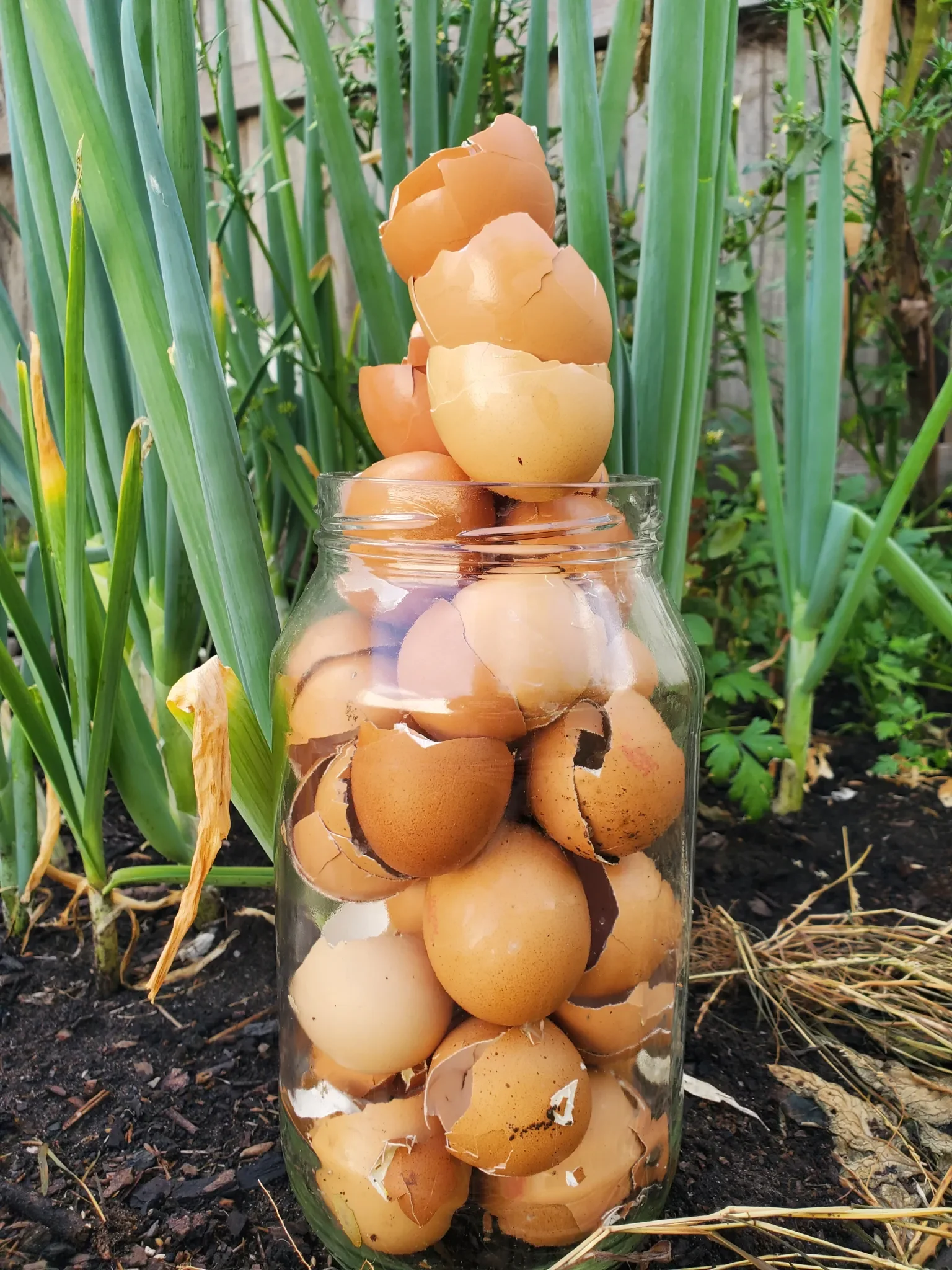
Egg shells and composting: tips
Egg shells improve soil fertility. They help plants grow strong and healthy by releasing:
calcium that strengthen the cell walls of plants
magnesium aids the process of photosynthesis
potassium reduces water loss and wilting
prevent blossom end rot (calcium deficiency) causing the flowering end of a fruiting plant to rot
helps worms digest food
raises the soil pH (less acidic)
How to compost egg shells
Like many of us, I used to throw my egg shells into the compost bins but found they remained intact and didn’t break down for a very long time.
Curious about how to improve this, I read a Gardening Australia article with advice that really works.
Instructions:
Dry egg shells in a warm oven: I place them in the oven after I have finished cooking and turned the oven off, leaving them in the oven until it is cold.
Crush shells to a fine powder either with a mortar and pestle or grind them in a coffee grinder… much easier!
Add the ground egg shells to your compost
Tips and tricks
Handle old egg shells with care as there is a small risk of salmonella contamination
Check for egg remains in the shells as they can attract pests. I throw these in the bin
Remember that some plants prefer acidic soil (e.g., blueberries, magnolia), and won’t appreciate egg shells in the compost. Before adding compost with crushed egg shells, test your pH levels first